
Short term trading puts pressure on the mind before it touches the account. Price moves fast. Decisions feel urgent. The screen never rests. Stress builds quietly and then leaks out through small mistakes. Late entries. Early exits. Overtrading. None of these happen because traders are careless. They happen because the mind gets overloaded.
When people read about best day trading strategies, they usually focus on entries and exits. Very few pay attention to habits. Habits decide how you behave when things do not go as planned. And something always goes off plan. Stress does not start with the market. It starts with how you approach it.
Knowing what not to trade matters too
Many traders know what they want to trade. Very few know what they avoid. Choppy movement. Flat sessions. Random spikes. These conditions drain energy quickly. Stress rises because effort does not match results.
Experienced traders build avoidance rules. They recognize when the market does not fit their approach. They step back without guilt. Skipping trades reduces stress more than finding perfect ones.
Handling losses without emotional reactions
Losses are part of trading. Emotional reactions are optional. Stress spikes when traders treat losses as personal failures. That mindset creates anger and self doubt. Both lead to impulsive decisions.
Healthier habits focus on behavior instead of outcome. Was the plan followed. Was risk respected. Was the decision logical at the time. When traders separate themselves from results, stress loses power.
Keeping sessions short and intentional
Long sessions wear the mind down. Fatigue sneaks in. Judgment weakens. Many traders perform better with clear time boundaries. A defined start. A defined end. No endless screen watching.
Short sessions encourage focus. They reduce boredom trades. They make it easier to walk away after a loss. Ending on time protects mental energy for the next day.
Reducing screen overload during trading
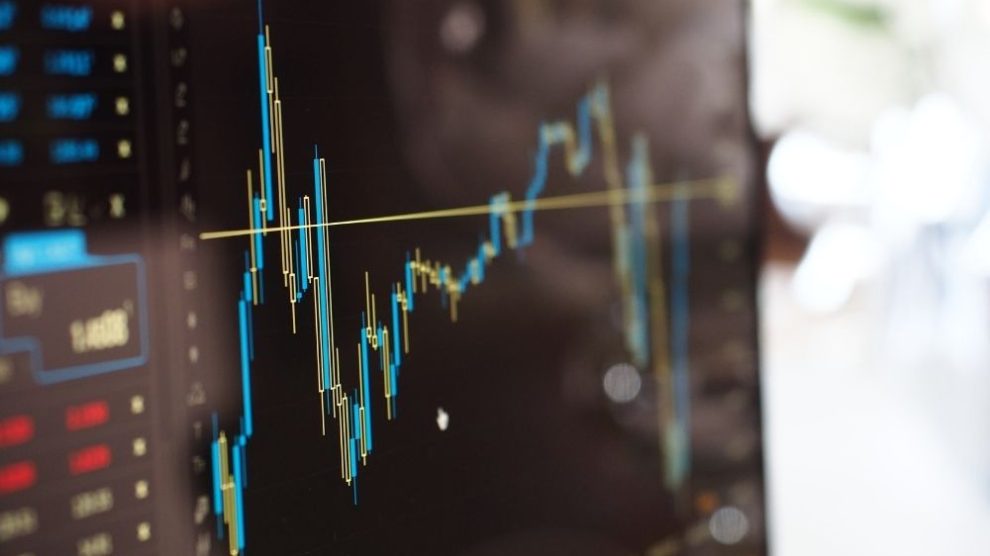
Staring at charts nonstop makes every move feel urgent. That urgency feeds stress. Traders who step back physically think more clearly. Looking away between setups helps reset emotions. Zooming out helps restore perspective.
Constant screen exposure exaggerates noise. Reducing it calms the mind. Sometimes the best decision happens when you stop watching for a moment.
Managing expectations during fast markets
Fast markets excite people. Excitement feels good. It also clouds judgment. Not every fast move is tradable. Not every breakout continues. Expecting too much from volatility creates disappointment and stress.
Healthy habits keep expectations grounded. Traders accept that some moves will be missed. Others will fail. Acceptance reduces emotional swings.
Learning to pause after emotional moments
Strong emotions demand attention. Acting immediately after them usually leads to regret. Pausing breaks that cycle. A short walk. A deep breath. A few minutes away from the screen.
This pause prevents emotional stacking. One loss stays one loss. One win stays one win. Pausing is not weakness. It is control.
How habits shape long term performance
Strategies change. Markets rotate. Habits stay. Traders with strong habits handle pressure better. They recover faster. They stay clear headed during both wins and losses.
Over time, these habits build stability. Stability supports learning. Learning improves outcomes. That is why many experienced traders realize that best day trading strategies only work when daily habits support calm decision making.
Short term trading will always carry pressure. The goal is not to eliminate it. The goal is to manage it. Calm preparation, clear boundaries, and intentional pauses reduce stress naturally. They keep thinking clear when price moves fast. Good habits do not guarantee profits. They do something more important. They protect decision quality. And that protection is what allows traders to stay consistent, one steady session at a time.